A bitcoin maximalist is someone who believes bitcoin is the only cryptocurrency worth using or saving in, and that the thousands of other coins are unnecessary, inferior or worse. The term was first used as a criticism in a 2014 blog post by Ethereum co-founder Vitalik Buterin, and many bitcoiners later adopted it as a proud self-description, often shortened to maxi.
Few labels in crypto start arguments faster. This guide explains the view as its holders would, lays out the criticisms just as plainly, and leaves the verdict to you.
Where the term came from
On November 20, 2014, Buterin published a post on the Ethereum blog titled On Bitcoin Maximalism, and Currency and Platform Network Effects. In it he described bitcoin maximalism as the belief that a world of many competing cryptocurrencies is undesirable, that launching yet another coin is wrong, and that bitcoin should and will end up with a monopoly. He wrote it to argue against that view, since he was building a different network at the time.
The name stuck, but not the way he intended. According to a history of the term written by bitcoin developer Jameson Lopp, many bitcoiners at first rejected the label as an insult, then embraced it around 2017 and 2018. That was the era of the ICO boom, when thousands of new tokens were sold to the public and a large share of them turned out to be failures or outright scams. To many longtime holders, that wave looked like proof that the maximalists had a point.
Today the word covers a wide range of people, from those who simply prefer bitcoin to those who argue loudly that everything else is a fraud.
What bitcoin maximalists believe
Maximalists do not all agree on everything, but most of their arguments fall into a few groups:
- Money tends toward one winner. Money is more useful the more people accept it, so maximalists expect savers to converge on the single hardest, most widely held option rather than split their savings across many.
- Bitcoin's launch cannot be repeated. It had no company, no pre-sale and a creator who disappeared. Maximalists argue that later coins with founders, foundations or large insider allocations cannot match that neutrality.
- A fixed supply matters. Bitcoin's issuance is capped near 21 million coins, a rule that has held since 2009. Our guide on why there are only 21 million bitcoin explains how the cap works.
- Security comes from proof of work. The enormous computing power securing bitcoin makes its history very expensive to rewrite, and maximalists see that as a moat newer networks cannot cross quickly.
- Users should be able to verify everything. Keeping the system small and conservative means ordinary people can run a node at home and check the rules themselves.
- Most altcoins are distractions. At best they are experiments that bitcoin can learn from; at worst, maximalists say, they exist mainly to enrich insiders.
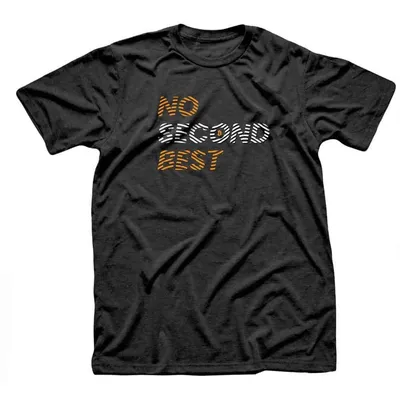
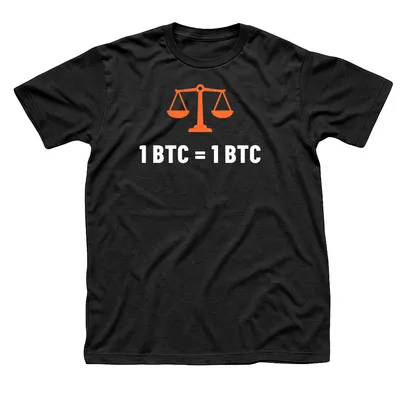
The slogan "there is no second best" sums up the whole package in five words, and the shorter "1 BTC = 1 BTC" reflects the habit of measuring wealth in bitcoin rather than in dollars.
The main criticisms
The view has plenty of critics, including some who hold a lot of bitcoin. The most common objections are:
- It can be tribal. Online, maximalism has a reputation for pile-ons and insults. The phrase "toxic maximalism" was in wide use by 2018 to describe that behavior, and some maximalists accept the label with a grin, which does not always help.
- It may dismiss useful ideas. Critics argue that other projects have tested features, such as new privacy or scripting techniques, that bitcoin itself later studied or adopted in some form.
- It puts many eggs in one basket. Betting everything on any single technology carries risk, and certainty about the future of money is hard to justify.
- It can push newcomers away. A curious person who gets mocked for asking about another coin may simply walk away from bitcoin too.
None of these criticisms disproves the core argument, and none of the maximalist arguments proves the future. Both sides are making predictions about how money will evolve, and nothing here is financial advice.
Maximalist, minimalist and everything in between
You will sometimes see people search for bitcoin maximalist vs minimalist. There is no formal minimalist camp, but the spectrum is real:
- Bitcoin maximalist: bitcoin only, and openly skeptical of everything else.
- Bitcoin first, or bitcoin focused: mostly bitcoin, with curiosity or small positions elsewhere and less interest in fighting about it.
- Crypto maximalist or multi-coin: someone who believes in crypto in general and holds many coins, sometimes jokingly called a maximalist of the whole industry.
People also move along that line over time. Plenty of maxis started out holding a basket of coins and narrowed down after a few market cycles.
How to talk with a maxi without a fight
If you have a maximalist in your life, a few things help. Ask them why they hold the view rather than arguing about which coin is better; most enjoy explaining the history. Expect strong opinions about altcoins and try not to take them personally. And if they ever reply with have fun staying poor, our guide to what HFSP means explains why plenty of bitcoiners wish they wouldn't.
If you are the maxi, the reverse applies. The strongest case for bitcoin usually comes across best when it is calm, patient and open to questions.
Shirts for the conviction crowd
A few of our designs speak the maximalist dialect without shouting. The No 2nd Best tee stacks NO SECOND BEST in orange and white hatched letters high on the chest, type only and no faces. The 1 BTC = 1 BTC tee sets the equation under a level orange balance scale, for people who count in bitcoin. If you prefer the slogan ringed around a portrait, there is also the There Is No Second Best tee. Every design is printed on a black unisex tee when you order.
Sources: Vitalik Buterin's November 2014 post on the Ethereum blog and Jameson Lopp's history of bitcoin maximalism.